
61 Van Buren St Brooklyn 11221
r
0
0
f
i
n
g
n
y
c

We Provide Best Roof Repairing
& Installation
A Reliable Name In The Roofing Industry, Giving Quality And Reliable Services
Conatct Us



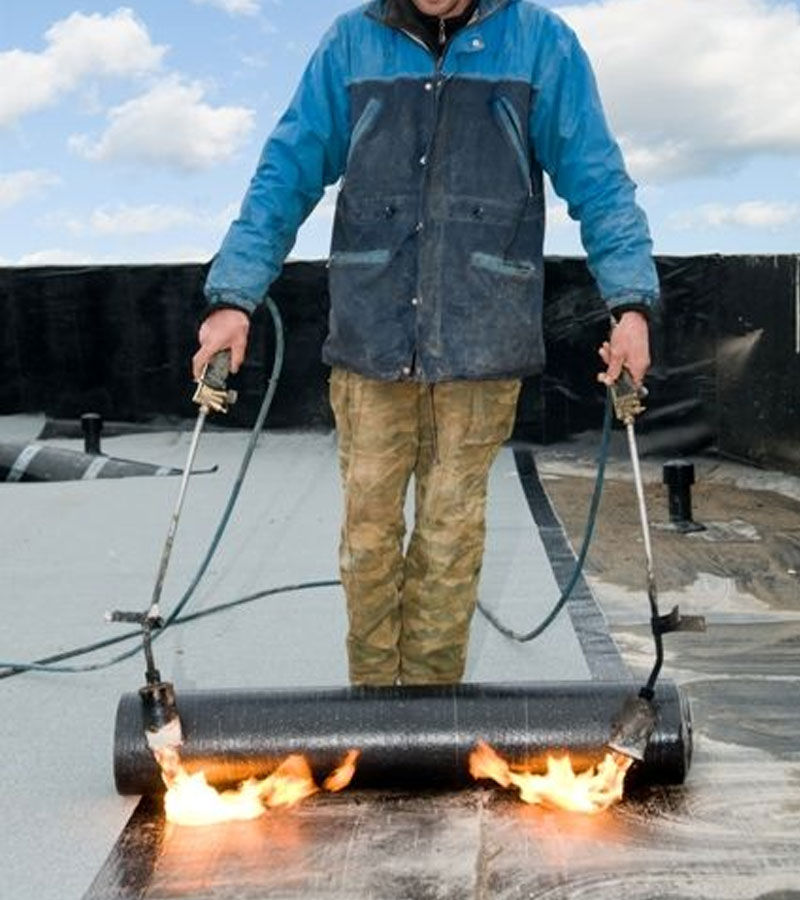
If you own a property in New York City and your roof is getting old or already giving you trouble, the first question that comes to mind is usually the same. How much does a new roof cost? It is a fair question and one that a lot of property owners put off asking because they are afraid of the answer. The truth is the cost of a new roof in New York City depends on a lot of things and no two jobs are exactly the same. What we can tell you is that getting a straight answer from a team you trust makes the whole process a lot less stressful. In this guide Roofing Contractor NYC covers everything you need to know before you make any decisions.
Average New Roof Cost Estimation in New York City
New York City is not the cheapest city to install a new roof. Several things that affect the cost like Labor, materials, and permits. That said knowing the general price range before you call anyone puts you in a much better position when it comes to making decisions.
- For a small home in New York City most property owners are paying somewhere between $8,000 and $12,000 for a full roof installation.
- A mid size home usually runs between $12,000 and $25,000 depending on what the job involves.
- Larger homes and commercial properties start at $25,000 and can go well above $50,000 based on the size and complexity of the building.
Your property is different from your neighbor’s and the only way to get a real number is to have someone come out and actually look at the roof before quoting anything.
Factors That Affect New Roof Cost in New York City
A lot goes into the final number on a new roof in New York City. We explain each factor simply so you can understand how much does it cost for a new roof.
Size
This one is pretty straightforward. A bigger roof needs more material and more hours of labor to install properly. A small house in Staten Island with a simple roof layout is going to come in at a very different number than a large apartment building in the Bronx even if both properties are getting the same type of roof put on them.
Material
What your roof is made of has a huge impact on the price. Asphalt shingles are the most budget friendly option and they work well on most homes across the five boroughs. Flat roof systems like TPO and EPDM cost more but they are built for the kind of buildings that make up most of New York City. Metal roofing and tile roofing sit at the higher end of the price range but they also last significantly longer which means you replace them less often over time.
Labor
Roofing crews in New York City are paid more than crews in most other parts of the country and for good reason. Working on city buildings is not easy. Tight access points, busy streets below, strict safety rules, and the general demands of working in one of the most densely packed cities in the world all factor into what skilled labor costs here. You are paying for experience and that experience is what keeps your roof from failing in two years.
Permits
A full roof replacement in New York City almost always requires a permit from the city. Getting the permit sorted takes time and adds a cost to the job but it is not something you want to skip. A roof installed without a proper permit becomes a problem when you try to sell the property or file an insurance claim. Any contractor who tells you permits are not needed on a full replacement is not someone you want working on your building.
Roof Pitch
One of the most important factors that affects the cost is how much slop your roof has. Safety equipment costs money, steep roofs take longer to work on, and some materials are harder to install on a sharp angle than others. A flat roof on a commercial building in Queens is a completely different working environment from a steep-pitched roof on an older home in Brooklyn and the price reflects that difference.
Old Roof Removal
Taking off what is already up there before putting the new roof down costs extra time and money. The old material has to come off, get loaded up, and be disposed of properly. Some older New York City properties have two or even three layers of old roofing sitting on top of each other and all of that has to go before anyone can look at what the deck underneath actually looks like.
Roof Inspection
Before the new roof goes on the deck underneath needs to be checked properly. If there is rot, soft spots, or water damage sitting in the decking it has to be fixed first. Skipping this step and just laying new material over a damaged base is one of the most common ways a new roof fails early. The inspection adds a small cost upfront but it saves you from a much bigger problem down the road.
Tips to Save on NYC New Roof Installation
At the time of new roof installation, everybody tries to save as much money as possible. The following things help to save money without compromising the quality of your roof.
Get a few written quotes
Talk to more than one roofing company and make sure each one gives you a complete plan of what is included. A quote that looks cheaper on paper might not include things the other quotes do and you want to be comparing the same scope of work across all of them.
Sort it out before it gets worse
A roof that is replaced while it is still in reasonable shape always costs less than one that has been leaking for a year and caused water damage to the structure underneath. Every season you put it off adds to the total bill.
Ask what material options are available
A good contractor will show you a few different material choices at different price points and explain what each one means for performance and longevity. You do not always need the most expensive option to get a roof that serves you well for decades.
Look at your insurance policy first
If the roof needs replacing because of storm damage or another covered event your insurance might pick up a significant portion of the cost. Check your policy before assuming you are paying the whole amount out of pocket.
Think about timing
In New York City spring and summer are the busiest times for roofing companies. If your situation allows some flexibility scheduling the job in the slower months can sometimes work in your favor when it comes to pricing and availability.
Conclusion
This blog is a detailed guide about the cost estimation and the factor affect that cost, so before spending anything, we recommend that you get a free inspection from a roofing contractor in NYC that knows New York City buildings in detail and the time of give them your roof project. You are well aware of all the important things.
FAQs About How Much Does A New Roof Cost
How long does a new roof last in New York City?
It depends on the material of the roof the contractors who installed the roof and how much you care for your roof.
How long does it take to put a new roof on in New York City?
It depends on the size of the crew and the condition of what is already up there.
Do I need a permit for a roof replacement in NYC?
Yes almost every full roof replacement in New York City requires a city permit and any licensed contractor worth hiring will pull that permit for you.
What flat roof material works best in New York City weather?
TPO and EPDM both handle New York winters and summer heat well and modified bitumen is a reliable and more budget friendly flat roof option that holds up well on NYC buildings.