
61 Van Buren St Brooklyn 11221
r
0
0
f
i
n
g
n
y
c

We Provide Best Roof Repairing
& Installation
A Reliable Name In The Roofing Industry, Giving Quality And Reliable Services
Conatct Us



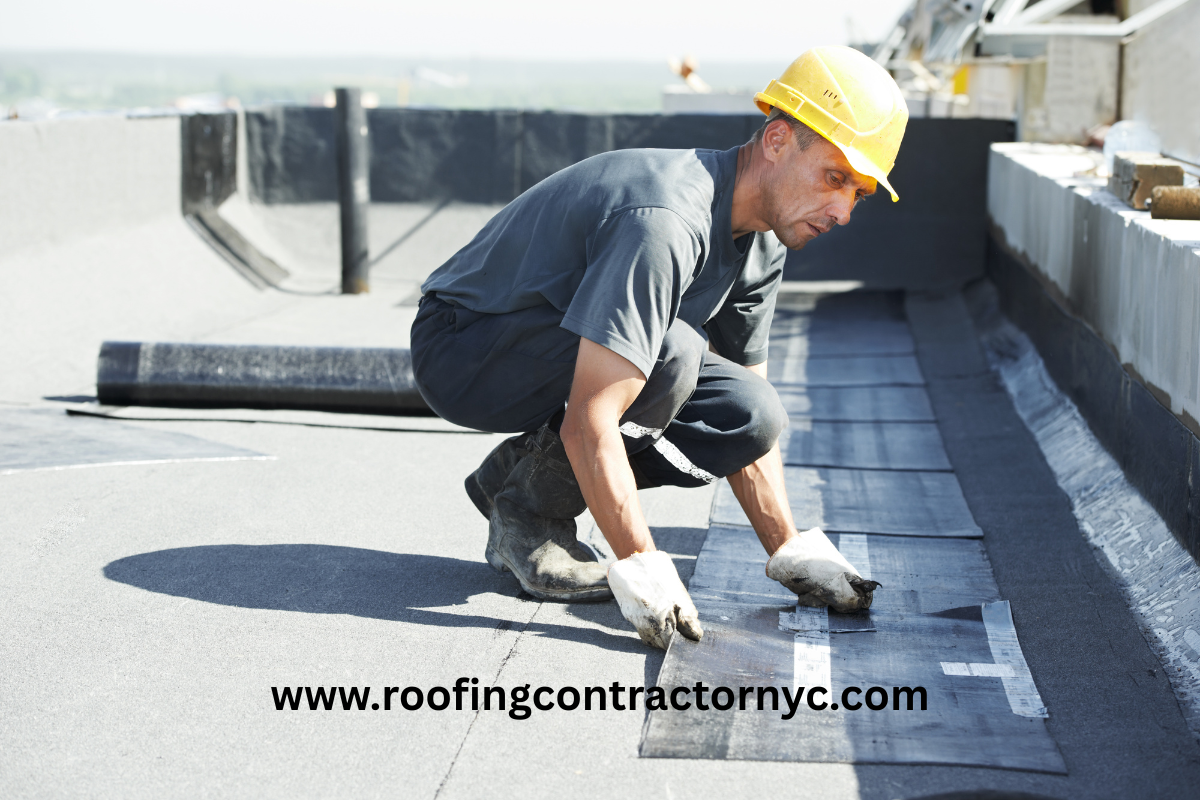
One of the most common questions property owners ask is flat or a shingle roof. Both roof types work well in New York City but they work well in different situations and on different types of buildings. The wrong choice for your specific property can cost you more money in repairs and maintenance down the road than the installation itself. Roofing Contractors NYC have installed and repaired both roof types on hundreds of properties and this guide gives you a straight honest guide about flat roof vs shingle roof: which is best for NYC homes?
What Is Flat Roofing: Challenges and Solutions
Flat roof sits level or at a very slight angle on top of a building with no steep pitch. You see them on almost every commercial building in New York City and on the majority of apartment complexes, row houses, and multi family residential properties across the five boroughs.
Challenges of a Flat Roof
Standing Water
Rain sits on a flat roof instead of running off and if the drainage is blocked or poorly set up that water pushes through the membrane and into the building.
Winter Ice Damage
Snow that piles up on a flat roof in New York City melts and refreezes into ice that works its way into seams and tears the membrane apart from the inside.
Membrane Wear from Heat
The summer heat makes the flat roof membrane expand and shrink every single day and after years of that back and forth it starts cracking around vents and pipe openings.
Foot Traffic Damage
Every time someone walks across a flat roof to service equipment they wear down the membrane surface and those worn spots are always where the leaks show up first.
Solutions for Flat Roof Challenges
Proper Drainage Installation
The right drains in the right places mean rain moves off the roof fast instead of sitting there and pushing through.
Regular Winter Maintenance
A quick snow clearance after a big storm and one inspection every spring keeps ice from quietly destroying the membrane all winter long.
Quality Membrane Materials
A decent TPO, EPDM, or modified bitumen membrane costs more on day one but saves you from constant repair bills for years after.
Protective Walkway Pads
Put rubber pads where the foot traffic actually happens and the membrane underneath stays in good shape for a lot longer.
What Is Shingle Roofing: Challenges and Solutions
Walk through any residential neighborhood in Staten Island, Queens, or Brooklyn and most of the roofs you see are shingle roofs. The steep angle pushes rain and snow off on its own which makes them a practical choice for detached homes and smaller residential buildings across New York City.
Challenges of a Shingle Roof
Wind Damage
A bad windstorm in New York City rips shingles right off the roof and by the time the homeowner notices something is wrong water has already been getting in.
Ice Dam Formation
Melting snow runs down to the cold roof edge, freezes solid, and that block of ice sits there pushing water back up underneath the shingles until it finds a way into the building.
Granule Loss Over Time
Every time it rains a few more granules wash off the shingle surface and once enough of them are gone the shingles underneath start breaking down much faster than they should.
Moss and Algae Growth
Any shaded part of the roof that stays wet longer than the rest is where moss moves in first and once it gets a grip it starts eating away at the shingles underneath it.
Solutions for Shingle Roof Challenges
Proper Fastening and Wind Resistant Shingles
Wind resistant shingles fastened correctly during installation stay on the roof through most of what New York City weather throws at them.
Ice and Water Shield Installation
A proper ice and water shield laid along the edges and valleys before the shingles go down stops ice dam water from ever reaching the interior of the building.
Regular Granule and Surface Checks
Catching granule loss early during a yearly inspection gives you enough time to plan a replacement properly instead of dealing with a sudden failure.
Moss Treatment and Tree Trimming
Treating growth early and cutting back overhanging branches takes away the shade and moisture that lets moss spread across the shingle surface.
Flat Roof vs Shingle Roof: Which Is Best for NYC Homes?
Flat roofs make more sense on commercial buildings, apartment complexes, row houses, and multi family residential properties where the building structure is designed for a level roof. They also make sense when you need to use the rooftop space for equipment or other building systems.
Shingle roofs make more sense on detached homes and smaller residential properties where the building has a pitched roof structure already in place. They are generally less expensive to install on those property types and they handle rain and snow naturally without needing the same level of drainage management that flat roofs require.
Pros and Cons of Flat and Shingle Roofing
Flat Roof Pros
- Lower installation cost on buildings designed for flat roofing
- Rooftop space can be used for equipment and other building needs
- Easier to inspect and access for maintenance and repairs
- Modern membrane materials like TPO and EPDM perform very well in NYC conditions
Flat Roof Cons
- Standing water is an ongoing management issue without proper drainage
- More vulnerable to freeze thaw damage during New York winters
- Foot traffic from maintenance crews creates wear on the membrane over time
- Requires more frequent inspection and upkeep than a pitched roof
Shingle Roof Pros
- Rain and snow move off the surface naturally because of the pitch
- Wide range of styles and colors available for different home types
- Generally lower maintenance than flat roofing on residential properties
- Easier and more affordable to do partial repairs on damaged sections
Shingle Roof Cons
- Wind events in New York City can pull shingles loose and create sudden damage
- Ice dams along roof edges are a seasonal problem every winter
- Granule loss over time means the surface degrades gradually and needs monitoring
- Not a practical option on buildings with flat roof structures
Bottom Line: Flat Roof vs Shingle Roof: Which Is Best for NYC Homes?
Look, both roofs do their job when they are put on right. The problem is not the roof type, it is putting the wrong one on the wrong building or hiring someone who does not know what they are doing. If you are not sure what your property needs stop guessing and just call someone who has actually worked on New York City buildings and knows the difference. One honest conversation can save you from making a very expensive mistake.
FAQs
Which one is cheaper flat roof or shingle roof?
Flat roofs are more affordable and easier to install than shingle roofs.
Can I put shingles on a flat roof building in New York City?
No because shingles need a pitched structure to work properly and a flat roof building is not built to support that kind of installation.
Which roof type needs more maintenance in New York City?
Flat roofs generally need more regular attention because of standing water and drainage management especially through the winter months.
How do I know which roof type is right for my NYC property?
The structure of your building usually makes the decision for you and a professional inspection will confirm which system is the right fit.