
61 Van Buren St Brooklyn 11221
r
0
0
f
i
n
g
n
y
c

We Provide Best Roof Repairing
& Installation
A Reliable Name In The Roofing Industry, Giving Quality And Reliable Services
Conatct Us



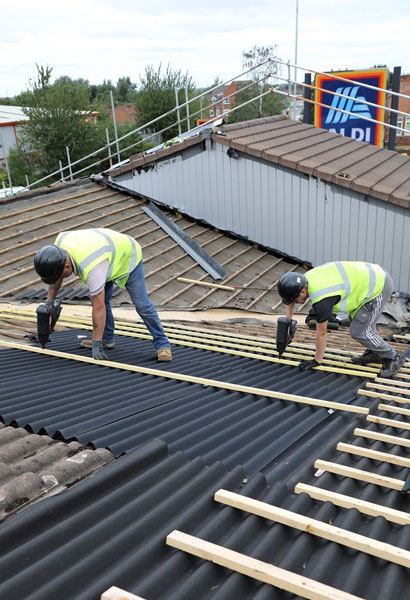
Your roof is an essential part of your home or commercial building, protecting your valuable belongings. But what happens when you find a crack, a leak, brown stains in the middle of your guest room, or a missing shingle?
Weather elements like rain, snow, sun, and wind constantly challenge your roof, and over time, a lack of maintenance can cause roofing issues. With regular inspections, you can protect your belongings and maintain your property value, unlike roofing damage that lowers value, damages your belongings, and leads to expensive repairs.
With us at Roofing Contractor NYC, you get a complete solution with a yearly inspection to protect your roof from brutal winters, humid summers, and everything in between.
The General Rule: At Least Twice a Year
Most NYC properties need at least two inspections a year due to rapidly changing weather, harsh sun, and rainy and snowy winters, which cause roofing challenges. By choosing spring and fall inspections, you can extend your roof’s life.
- Spring inspections: Mostly address winter damage, with ice, heavy rainfall, and snow causing freeze-thaw cycles that crack and loosen shingles.
- Fall inspections: Before winter weather arrives, you need a proper inspection to catch previous damage that could turn into costly repairs in winter.
Before moving into a new property, you must have a property inspection, and a roofing inspection should be at the top to help you avoid damage before it turns into an emergency.
When You Should Schedule an Extra Inspection
Sometimes, your roof needs a prompt inspection to avoid major maintenance costs. In spring and fall, a roofing inspection is a must. Here are some times when you must have an inspection.
- After a major storm: High winds, heavy rain, or hail can damage flashing, shingles, and the roofing membrane. If you don’t inspect your roof after a major storm, standing water from heavy rainfall can cause leaks, structural roof damage, and stain the interior of your home with brown or yellow stains.
- After a heavy snow season: Prolonged snow creates stress that turns into cracks with the freeze-thaw cycle. With scheduled inspections, you can repair small cracks and save the roof from snow damage.
- Before buying or selling a property: The roof enhances or decreases property value, so when moving or building another floor, you must know that the roof is strong enough. By hiring our professionals, you can easily handle the inspection and get a true overview.
- Roofing Lifespan: You must know the lifespan of your roof. Asphalt shingle roofs typically last 20–25 years, while flat and membrane roofs last about 15 years.
If you schedule regular maintenance, it will extend the lifespan, keep the property value high, and help you avoid warning signs you may face in the future.
Why NYC Roofs Face Faster Wear
To avoid the stress on NYC roofs, you need a professional Roofing Contractors NYC who can help with roof installation, repair, maintenance, and replacement.
- Climate challenge: Heavy rainfall and snow. This causes a freeze-thaw cycle that repeatedly expands and contracts the material, causing cracks and widening the gaps.
- Older housing stock: Roofing systems may be patched and repatched over the past decades in brownstones, rowhouses, and prewar multi-family buildings, with unknown trouble spots.
- Flat roofs: The flat and low-slope roofs, which are prevalent across the boroughs, are more likely to suffer from ponding and slow leaks that are not apparent from the street and are therefore more likely to cause damage.
- Dense urban debris: High volumes of urban debris, such as leaves, branches, and general debris, clog drains and gutters at a much higher rate than in less built-up areas, causing water backup.
If you consider all the factors and ensure a maintenance schedule, you can save your roof 3 to 4 years compared to a normal lifespan.
When Needed: Professional Roofing Inspection
Don’t neglect your roof; get a professional roofing solution to ensure a stress-free roof:
- Surface condition of the roof intended for the installation of a waterproofing system, such as shingles, membrane, or a flat roof surface.
- Flashing on chimneys, vents, and skylights
- Rooftop/Gutter and Drainage function.
- Water staining on the ceiling of the top floor or attic of the building
- Sagging or soft spots in the structure
Before hiring a professional, take photos of any damage or cracks. This helps you see the difference between before and after repair and maintenance, and it can also help you avoid expensive repairs caused by damage.
Final Words
Finally, you know how often you should schedule a roofing inspection each year: in spring and fall, before winter and summer. Inspections will enhance your roof’s lifespan, increase your property value, and save you from expensive repair costs. So hire Roofing Contractor NYC just by dialing 917-997-0002 and inspect today and ensure a safe roof.
FAQs
How many times do you need a residential roof inspected in NYC?
Commonly, your roof needs two inspections per year, but it also depends on the damage, the presence of cracks, the overall condition, and the roof’s lifespan. Major storms or heavy snow are good times to conduct additional inspections.
Is a roof inspection necessary if I don’t see any visible damage?
Yes. Problems such as small cracks in flashing or early damage to flat roof membranes aren’t apparent from the ground or even from inside the attic until they cause major problems. Problems are identified before they become visible through a professional inspection.
How much time does a roof inspection take?
The time to inspect a house’s roof varies from 30 minutes to one hour, depending on the roof’s size, access, and complexity. Larger or flat roofs, such as those found in commercial or multi-family buildings, might take longer.
Does homeowner’s insurance require regular roof inspections?
Documented periodic inspections can be useful when making claims following storm damage, and are required or recommended by some insurance policies, especially for older roofs. Be sure to review your individual policy for requirements.
Difference between inspection and roof maintenance?
An inspection checks the current condition and determines whether there are any issues; maintenance proactively fixes minor issues, which may occur during or immediately after an inspection, to avoid more significant repair work later.