
61 Van Buren St Brooklyn 11221
r
0
0
f
i
n
g
n
y
c

We Provide Best Roof Repairing
& Installation
A Reliable Name In The Roofing Industry, Giving Quality And Reliable Services
Conatct Us



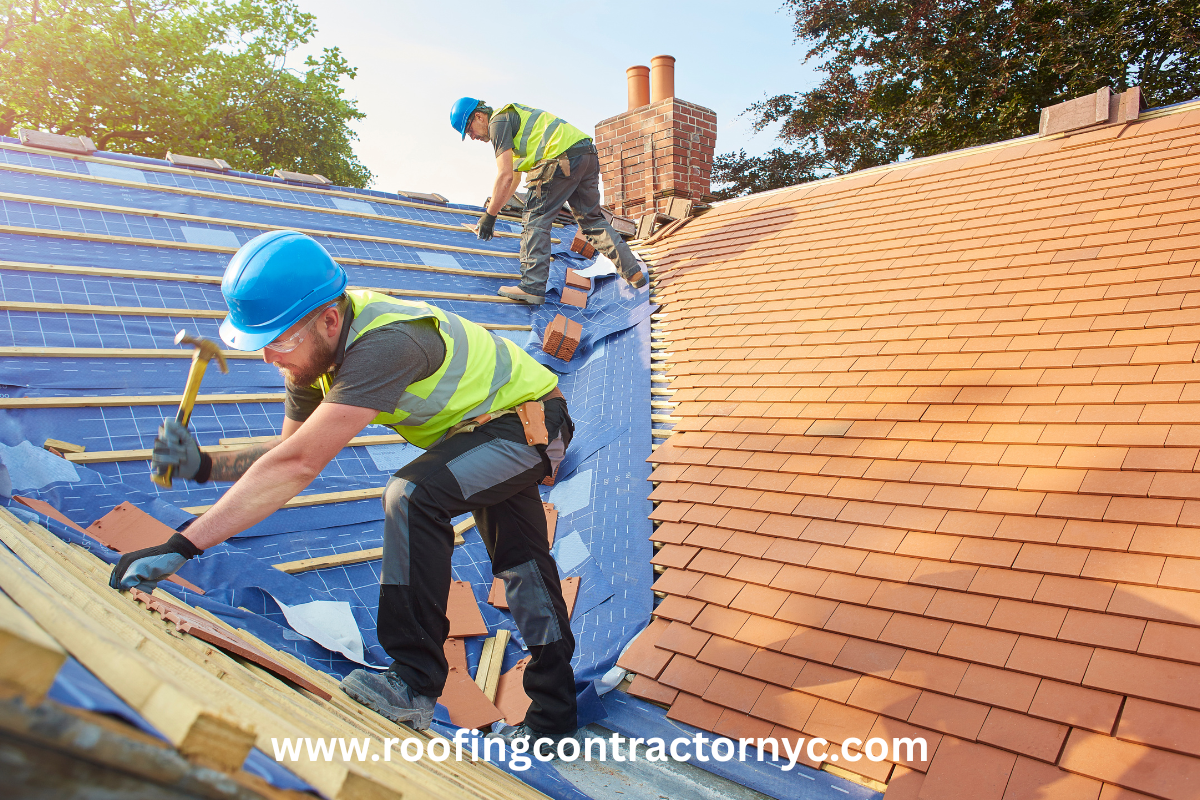
Most people ignore their roof until that time, the damage has become more severe, bigger, and more expensive. Every roof has a point where it stops doing its job properly and knowing roughly when that is going to happen on your property puts you way ahead of the problem. At Roofing Contractor NYC we go out every single week to properties where the owner had no idea the roof was already done until water showed up on the ceiling. In this blog we guide you through all the details about how long does a roof last.
How Long Does a Different Roof Last in NYC?
Here is a quick look at how long each roof type typically lasts.
Asphalt Shingle Roof
The most common roof on New York City homes. Basic shingles give you around 15 to 20 years. The thicker architectural ones push closer to 25 to 30 years if the job was done right and the roof gets some attention along the way.
Flat Roof (TPO and EPDM)
These systems sit on most NYC apartment buildings and commercial properties. Somewhere between 15 and 25 years is what most property owners get out of them. Standing water and hard winters are what finish them off fastest in this city.
Modified Bitumen Roof
A tough material that shows up on a lot of older buildings in New York City. Put on properly it goes around 15 to 20 years. Buildings with heavy rooftop traffic tend to see more wear and need attention sooner.
Metal Roof
Built to last a long time. A metal roof done right goes anywhere from 40 to 70 years in New York City. Costs more upfront but you are not replacing it again any time soon.
Tile Roof
Concrete and clay tiles hold up well and most of them make it 40 to 50 years. The tiles themselves are rarely the problem. The underlayment underneath them usually needs attention first.
Slate Roof
Nothing outlasts slate. A properly installed slate roof lasts 75 to 100 years and some go well beyond that. There are slate roofs on Brooklyn and Manhattan buildings that have been up there for generations and are still solid.
How Do I Find the Age of My Roof?
A lot of New York City property owners have no idea how old their roof actually is especially if they bought the place from someone else. Here are four simple ways to find out.
Check your building permits online
New York City keeps records of every permitted roofing job. You can search your address on the NYC Department of Buildings website and see when the last roof permit was pulled on your property. That tells you roughly when the last major work was done.
Look at the roof itself
An experienced roofer can usually tell a lot just by looking. Shingles that are curling or losing their surface granules. A flat roof membrane that has gone stiff and brittle. Flashing that has started to pull away from the edges. All of those things point to a roof that has been up there for a while and is getting close to the end.
Go back through your closing documents
If you bought the property in the last several years there may be information in the paperwork about when the roof was last replaced. Some sellers are required to disclose this and it is worth digging out those documents if you still have them.
Call a professional to take a look
The most reliable way to call qualified roofing contractors in NYC is because a good inspection gives you a clear picture of how old the roof looks, what is the condition of your roof, and a rough time estimate before you need to start planning for a replacement.
Things That Affect Roof Longevity
First, very important thing to know about which roof type is supposed to last is helpful. Here are the real things that decide whether your specific roof makes it to the top of its expected range or falls short of it.
Quality of Installation
A roof that was not put on properly is going to fail early no matter what it is made of. Bad flashing around chimneys and vents. Underlayment that was rushed or skipped in spots. Shingles that were not fastened correctly. These are the kinds of shortcuts that turn a 25 year roof into a 10 year problem and they are more common on New York City properties than most people realize.
How Much Maintenance Does It Get
A roof that gets looked at once a year and has small issues fixed while they are still small lasts noticeably longer than one that nobody pays attention to until water is coming through. The cost of a yearly inspection is tiny compared to what deferred maintenance eventually costs when everything that was ignored finally adds up at once.
New York City Weather
The weather here is genuinely hard on roofs. Summer heat makes materials expand and contract. Ice builds up along roof edges in winter and pushes under seams and flashing. Heavy rain tests every weak point in the surface. The same roof material that might last 30 years in a mild climate often lands at 20 years in New York City simply because of what it goes through every single year.
Ventilation Underneath
When heat and moisture get trapped in the space under a roof because the ventilation is not set up properly it breaks down the roofing materials from the inside out. This happens quietly and most property owners have no idea it is occurring until the roof starts showing problems that seem to come from nowhere. A proper ventilation check during any roof inspection catches this before it does serious damage.
Roof Traffic
Flat roofs in New York City buildings are often accessed regularly for maintenance on water tanks, HVAC units, and other building equipment. Every visit puts wear on the membrane surface in spots that would otherwise be holding up fine. Buildings with heavy rooftop traffic just need more frequent maintenance checks than ones where nobody goes up there.
Trees Close to the Roof
Branches that hang over a roof drop debris onto the surface constantly. Wet leaves sitting on a flat roof or in the valleys of a shingle roof hold moisture against the surface and speed up wear in those areas. Branches that actually make contact with the roof during wind scratch and scrape the surface every time it gets breezy and eventually create spots where water finds a way in.
Final Advice
The single best thing you can do for your roof in New York City is not wait for it to tell you something is wrong. By the time a roof is leaking through the ceiling it has usually been failing in smaller ways for a long time. Get it looked at once a year. Fix small things while they are still small. Know roughly how old it is so you are not surprised when it reaches the end of its life. A roof replaced at the right time is a clean and manageable project. A roof left until it fails completely is a much bigger headache and a much bigger bill.
FAQs
How long does a roof last in NYC home?
It all depends on the:
- Material
- How well it was installed
- How professional the contractors are
What are the signs that my roof needs repair?
The following signs that you need roof repair:
- Curling shingles
- Ceiling stains after rain
- Visible sagging
- Roof that is pushing 20 years old
Is it regular maintenance necessary for a roof to last?
A small fix caught early costs a fraction of what the same problem costs after it has been sitting ignored for a full winter.
How often should a New York City roof be professionally inspected?
Once a year is enough for most properties but always get someone up there after a bad storm too.
Which one is better: replace a roof or repair it?
When you are calling a roofer every season for the same building it is usually cheaper in the long run to just replace the whole thing.